Table of Contents
Introduction
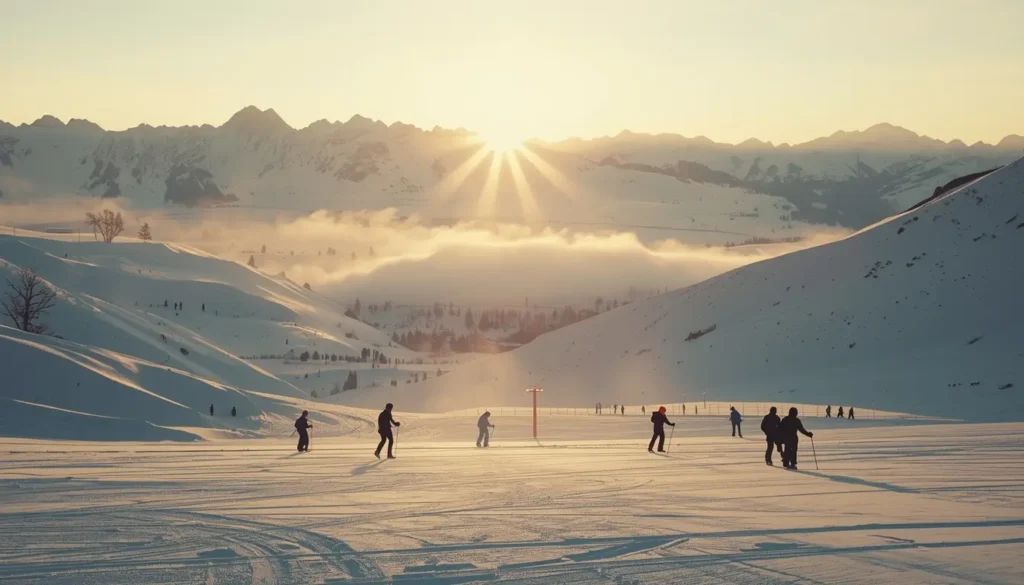
Every four years, something magical happens. Snow-covered mountains turn into global stages. Frozen lakes become arenas of courage. Athletes from every corner of the world gather to do one thing and push human limits on ice and snow.
That is the Winter Olympic Games.
Unlike the Summer Olympics, the Winter Games carry a raw, untamed energy. Here, athletes race gravity, fight freezing temperatures, and gamble everything on fractions of a second. One wrong move can mean disaster. One perfect moment can mean eternal glory.
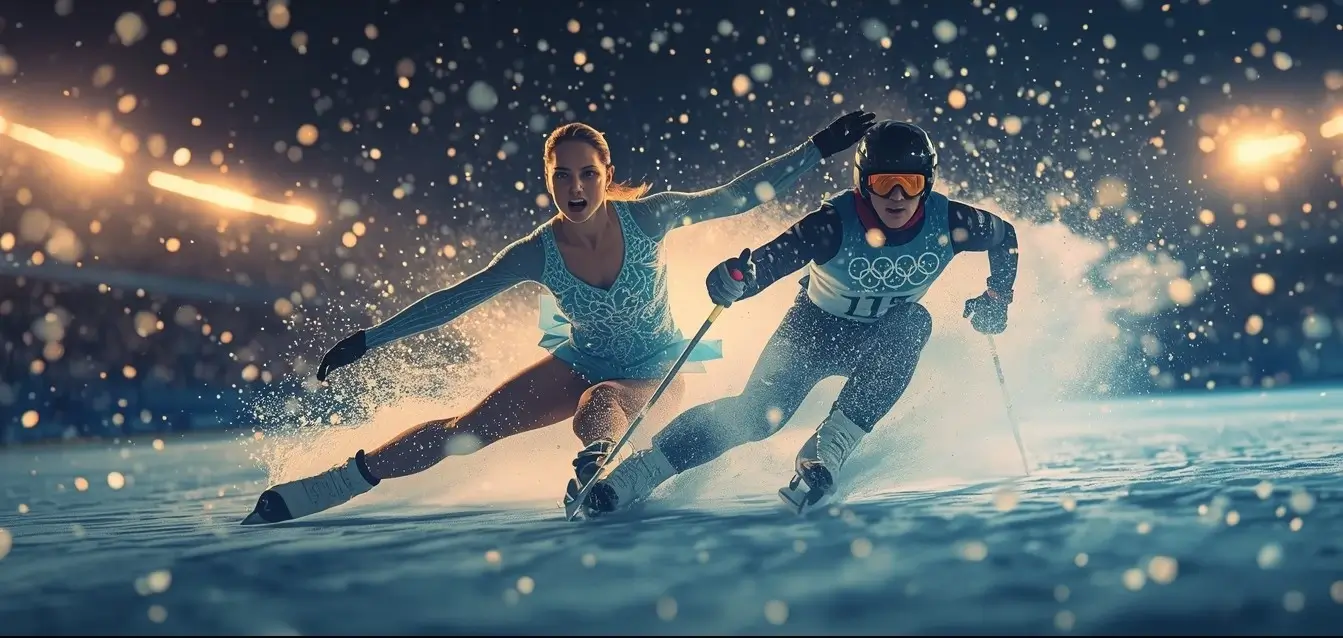
From heart-stopping downhill skiing to dramatic figure skating and bone-rattling bobsleigh rides, the Winter Olympics deliver some of the most intense sporting action on Earth.
Let us explore what makes these Games so unforgettable, how the events work, and why host cities fight so fiercely to earn the honor of welcoming the world.

What Makes The Winter Olympics So Special
The Winter Olympics are held once every four years, just like the Summer Games. However, what separates them is the extreme environment in which they take place.
Athletes must master:
- Ice
- Snow
- Wind
- Gravity
- Speed
These conditions turn every competition into a battle not just against opponents, but against nature itself.
Unlike stadium sports, winter events happen on
- Mountain slopes
- Frozen tracks
- Ice rinks
- Snow-covered fields
This creates a level of unpredictability that makes every second thrilling.
Alpine Skiing: Speed Meets Precision
Alpine skiing is one of the crown jewels of the Winter Olympics. Men and women compete in ten separate events that test balance, reflexes, and raw speed
Athletes fly down icy mountains at terrifying velocities while weaving through gates. A single missed turn can end an Olympic dream in seconds.
These events reward
- Courage
- Control
- Perfect timing
One blink can be the difference between gold and heartbreak
Cross-Country Skiing: The Ultimate Endurance Test
Cross-country skiing pushes athletes beyond physical limits. Competitors race across snowy terrain in distances ranging from 15 km to 40 km.
There are
- Individual races
- Team relay events
These skiers rely on
- Lung power
- Muscle endurance
- Mental toughness
Watching them grind through endless snow feels like witnessing human willpower in motion.
Freestyle Skiing: Art In The Air
Freestyle skiing brings creativity into competition. Athletes perform jumps, flips, spins, and daring tricks while flying through the air.
Judges score them based on
- Style
- Difficulty
- Execution
This is where athleticism meets art. Every run tells a story of risk, rhythm, and bravery.
Ski Jumping and Nordic Combined: Flying on Snow
In ski jumping, athletes race down steep slopes before launching into the open air. They soar like birds before landing on a narrow slope below.
Judges evaluate
- Distance
- Body position
- Landing control
The Nordic Combined blends ski jumping with cross-country skiing. This forces athletes to prove they can both fly and endure. Few events demand such complete mastery of winter sport.
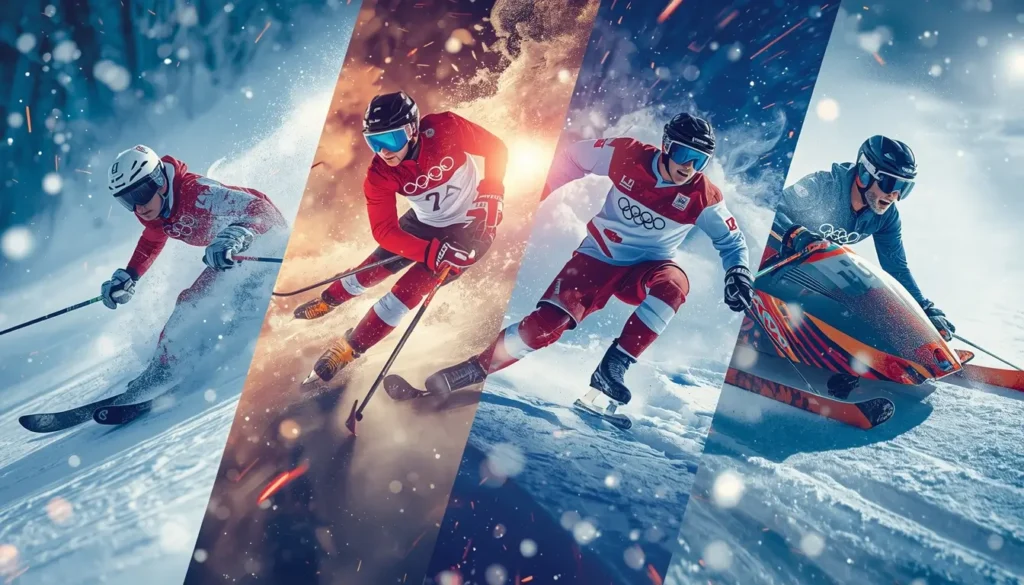
Snowboarding: The Rebel of The Olympics
Snowboarding joined the Winter Olympics in 1998 and quickly became a fan favorite.
Riders control a single board using
- Body movement
- Balance
- Core strength
No poles. No shortcuts. Just skill and flow. These events bring youthful energy and breathtaking tricks that keep crowds glued to their screens.
Figure Skating: Beauty, Drama, And Pressure
Figure skating is one of the most-watched Winter Olympic events in the world. It combines
- Athletic power
- Dance
- Music
- Emotional storytelling
Skaters perform solo, in pairs, or in teams, aiming to deliver flawless routines. Yet this sport is no stranger to controversy.
The Kerrigan–Harding Scandal
In 1992, American skater Nancy Kerrigan was attacked during practice. The shocking investigation revealed her rival, Tonya Harding, had planned the assault with her boyfriend. The scandal rocked the sports world and turned figure skating into international drama.
The 2002 Judging Controversy
At the 2002 Winter Games, the Canadian team delivered a near-perfect routine. Still, the gold went to Russia.Rumors of bribed judges spread quickly. Later, Canada was awarded a gold medal as well, though Russia kept theirs due to a lack of legal proof. These moments remind us that behind the elegance lies intense competition and high stakes.
Speed Skating: Racing on Razor-Thin Blades
Speed skating has exploded in popularity. Athletes race around ice tracks at blistering speeds that push the limits of physics.
Some events feature
- Individual racers
- Team relays
Every race feels like controlled chaos as skaters lean into turns just inches from disaster.
Ice Hockey: The Winter War
Few Winter Olympic sports bring more passion than ice hockey. Both men’s and women’s teams compete, and national pride runs high. Canada dominates this sport with 13 gold medals, but competition remains fierce. Every tournament delivers dramatic goals, crushing hits, and unforgettable rivalries.
Luge And Bobsleigh: Speed Without Mercy
Luge
The fastest sport in the Winter Olympics is luge. One or two athletes lie flat on a sled and rocket down a twisting ice track. They steer using.
- Their calves
- Their shoulders
- Subtle body movements
One small error can mean disaster at over 80 miles per hour.
Bobsleigh
Bobsleigh uses larger sleds.
- Two-person teams
- Five-person teams
Athletes sit upright while racing down the same deadly tracks. This event demands power, teamwork, and flawless timing.
Why Cities Fight to Host the Winter Olympics
Hosting the Winter Olympics is a massive honor, but also a massive investment.
Cities must spend billions on
- Infrastructure
- Stadiums
- Security
- Media facilities
For example, Denver declined to host the 1976 Games because voters refused to approve a $5 million bond. Yet many cities still compete aggressively. Why?
Because the payoff is huge.
Revenue flows in from,
- Tourism
- Global publicity
- Television rights
- Long-term development
The exposure can turn a city into a global destination for decades.
How The Host City Is Chosen
Cities must submit detailed bids to the Olympic committee.
The process includes.
- Bid submission
- Shortlisting
- In-depth evaluations
- Final selection
Cities often bid multiple times until they win. If they lack facilities, they build them before the next round. This creates lasting improvements even if they do not win right away.
Canada And The 2010 Winter Olympics
This marked
- Canada is hosting the Olympics
- Their second Winter Games
The cost reached $1.4 billion, including $200 million for security alone. But the global exposure and tourism boost made it worthwhile.
But the global exposure and tourism boost made it worthwhile.
Russia And The 2014 Winter Olympics
Sochi, Russia, hosted the 2014 Winter Games, marking a historic moment for the nation. Only 20 years earlier, Russia had been isolated from much of the world. Hosting the Olympics symbolized its new global presence.
Russia invested over $580 million in
- Construction
- Fiber-optic networks
- Hydropower plants
- Railways
- Airport expansions
This transformed Sochi into a modern international city.
Why Rotating Host Countries Matters
By moving the Games around the world, the Olympics avoid belonging to just one nation.
This creates
- Global unity
- Cultural exchange
- Shared pride
When the Games come close to home, people can witness history live instead of on a screen.
Final Thoughts
The Winter Olympics are more than a sporting event. They are a global celebration of courage, endurance, and human spirit. From icy slopes to frozen arenas, these Games remind us that even in the coldest environments, the brightest moments of greatness can shine.
Every four years, the world stops. And winter becomes legendary.
Find Morehttps://sasokay.com/why-football-dominates-the-world/
Who Is Hosting The 2026 Winter Olympics?
The 2026 Winter Olympics will be hosted by Milan and Cortina d’Ampezzo in Italy. It will be the first time the Winter Games are shared between two main host cities, using existing venues to reduce costs and environmental impact.
Why Are the Winter Olympics So Popular?
They combine extreme sports, high-speed action, and emotional storytelling that keeps viewers engaged from start to finish.
Which Sports Get the Most Attention?
Skiing, snowboarding, figure skating, ice hockey, and speed skating draw the largest global audiences.
Why Do Some Events Have Controversy?
Judged sports like figure skating rely on scoring, which can lead to disputes over fairness.
When And Where Are The Winter Olympics?
The Winter Olympics are held every four years in different countries around the world. They usually take place between late January and late February, in locations with reliable snow and winter conditions.
Why Is Hosting the Olympics So Expensive?
Cities must build new infrastructure, improve security, and support millions of visitors and global broadcasts.
What Makes the Winter Olympics Unique?
Athletes battle not just opponents, but snow, ice, gravity, and extreme weather in every event.
Are The Winter Olympics Every 2 Years Or 4 Years?
The Winter Olympics happen every four years. However, because the Summer and Winter Games alternate, the Olympics overall occur every two years, just not the same type.
Find More
- International Olympic Committee, Official Organization Pagehttps://olympics.com/ioc/faq/ioc-the-organisation
Any Suggestions, Feedback, or Information, Please: Contact Us