Table of Contents
Introduction

Beauty does not exist in a vacuum. While Part One explored the beauty that first captivated humans, Part Two delves into how culture shapes what we find attractive and why perception influences desire.
From ancient societies to modern America, cultural values, media exposure, and social trends play a central role in defining the Elegance. What we admire today is deeply tied to shared stories, repeated imagery, and collective perceptions, and not just biology.

(Important)(This article is the 8th installment in a 10-part series celebrating the world’s most admired and unique ladies. All images used are credited to their owners, who provide them for free use. Read, share, comment, and rank your favorites, and follow all the links in the conclusion to explore the full series.)
The Cultural Blueprint
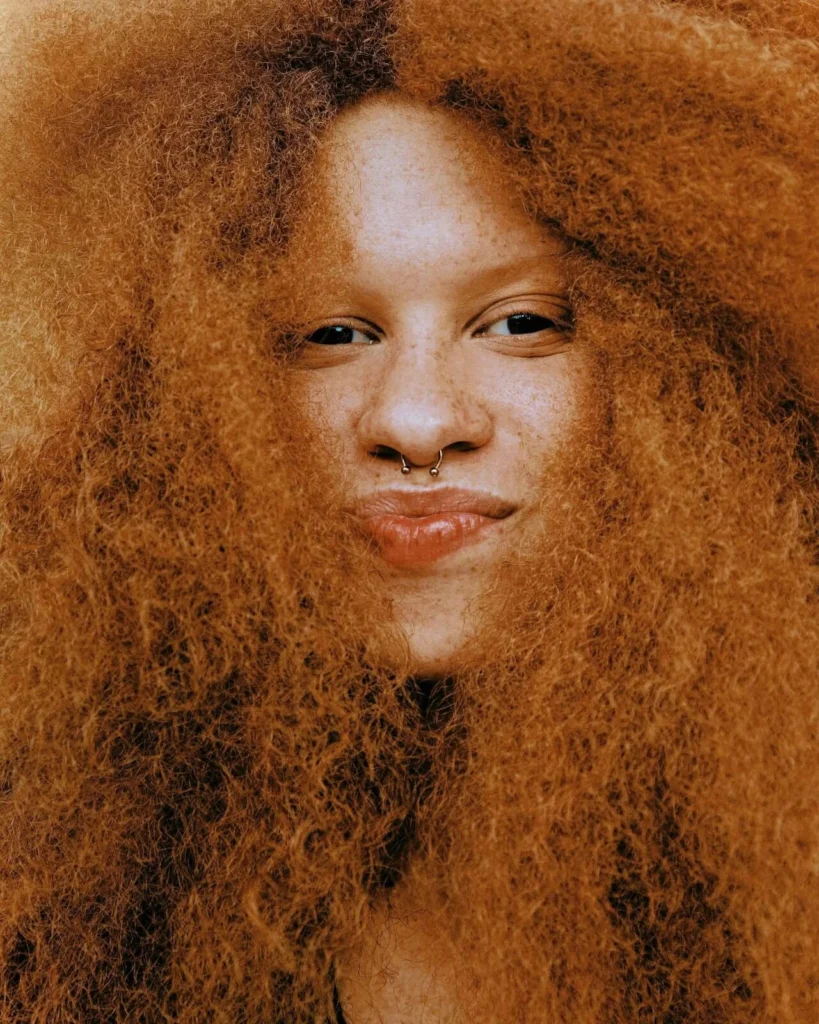
Culture has always influenced what people consider beautiful. In early societies, certain body types, facial features, or styles were used to symbolize status, health, or fertility. These preferences often reflected practical aspects, as well as wealth, social standing, or strength.
As civilizations evolved, these preferences became aesthetic ideals. Art, literature, and fashion shaped perceptions of elegance and desirability. For example:
- Ancient Greece celebrated symmetry and proportion in sculptures.
- Renaissance Europe admired soft features and glowing skin in paintings.
- Modern America emphasizes fitness, style, and charisma through the media.
Over time, repeated exposure to cultural ideals transforms attraction into shared perception.

Pop Culture and Media: The Modern Sculptors
In today’s world, pop culture and media amplify beauty standards faster than ever. Movies, magazines, and social media create constant streams of imagery that influence what audiences admire.

Icons from Hollywood to social media set examples:
- Supermodels like Cindy Crawford and celebrities like Zendaya are not only admired for their looks but also for the lifestyles and confidence they project.
- Digital trends reward repeated visuals, making certain features familiar and therefore desirable.
Familiarity, repetition, and visibility all shape collective perception of beauty.

The Role of Perception in Desire
Attraction feels instantaneous, but it is layered. Perception influences desire through several mechanisms,
- Familiarity: Humans are drawn to features they see often in culture, media, and peers.
- Social Proof: Admiration by others signals value and increases perceived attractiveness.
- Confidence and Presence: A person’s posture, voice, and energy can amplify physical appeal.

These factors explain why certain individuals capture attention instantly, even if their features differ from traditional ideals.
Trends Evolve Over Time

Beauty standards are never static. Social and cultural changes continuously redefine desirability:
- 1980s America: Fitness and athleticism became admired traits.
- 1990s: Supermodel elegance and symmetry dominated.
- 2000s–2020s: Influencers, relatability, and personal branding became part of attraction.

Even within the same country, different generations admire different looks, demonstrating that cultural context guides perception.
Beauty in Pop Culture Today

Modern pop culture is more diverse than ever. Audiences follow a wide range of content creators, models, and celebrities, each representing different forms of beauty:
- Minimalist style and natural looks
- Glamorous high-fashion aesthetics
- Fitness and wellness-inspired appearance
- Individual personality and lifestyle expression
Exposure to this diversity broadens attraction, but repeated patterns still create collective norms that influence desire.
Why Engagement Matters
This article, part of a 10-article series, encourages readers to actively engage:
- Read: Explore each profile and story of admired women
- Share: Spread awareness about Glamour in culture
- Comment: Give your opinions on who you find inspiring
- Rank: Decide who is the most beautiful according to your perspective
Participation allows readers to experience Desire not just visually but socially, connecting perception with action.

Article Series on Beauty
- part 1-https://sasokay.com/why-women-are-beautiful-and-confident-part-01/
- Part 2-https://sasokay.com/bold-black-women-inspire-style-culture-02/
- Part 3-https://sasokay.com/powerful-reasons-people-get-tattoos-part-3/
- Part 4-https://sasokay.com/crush-stress-with-smart-exercise-part-4/
- Part 5-https://sasokay.com/bold-black-women-empower-fashion-and-culture-05/
- Part 6 –https://sasokay.com/true-beauty-of-the-world-part-06/
- Part 7-https://www.sasokay.com/bold-black-women-fashion-culture-part-07/
- Part 9 –https://www.sasokay.com/exercise-smart-strength-energy-with-beauties-09/
- Part 10-https://www.sasokay.com/powerful-tattoo-designs-that-inspire-women-10/
Conclusion
This evolves constantly. It is shaped by culture, media, and perception, not just biology. What humans find attractive reflects society’s values, repeated exposure, and shared admiration.
Part two demonstrates that desire is both personal and collective and influenced by what we see, how others respond, and how individuals carry themselves.
Explore the rest of this 10-part series on the world’s most admired ladies through the links in the conclusion, and remember to credit image owners who allow free use. Read, share, comment, and rank who you think is the most beautiful among these incredible women.
How does culture influence these standards?
Culture defines ideals through art, media, and social expectations, shaping what societies admire.
Why does perception influence desire?
Humans respond to familiarity, social proof, and confidence, making attraction both instinctive and learned.
Can these standards change over time?
Yes. Shifts in society, media trends, and cultural values constantly redefine what is considered attractive.
Any Suggestions, Feedback, or Information, Please: Contact Us
Find More:
- Strong authority on global communities and traditions, and diverse cultures around the world(https://www.nationalgeographic.com/culture)